Why Choose Us 

Choosing the Transitional Year program at Morton Plant North Bay means joining a small, high-contact program within BayCare, the region’s largest academic health system. You’ll train side by side with our Internal Medicine residents, sharing core rotations, didactics, Point of Care Ultrasound curriculum and faculty, while still having the flexibility to tailor electives toward your advanced specialty.

You’ll practice in a community-based hospital with strong connections across the BayCare system, caring for a diverse patient population and meaningful acuity—without getting lost in a huge program. Our program director works one-on-one with residents to align schedules with future career goals, meet all TY and advanced program requirements and support wellness, professionalism and growth. The result is a rigorous, supportive year that prepares you to hit the ground running in your chosen field.

Click to learn more information about the program's applicant criteria.


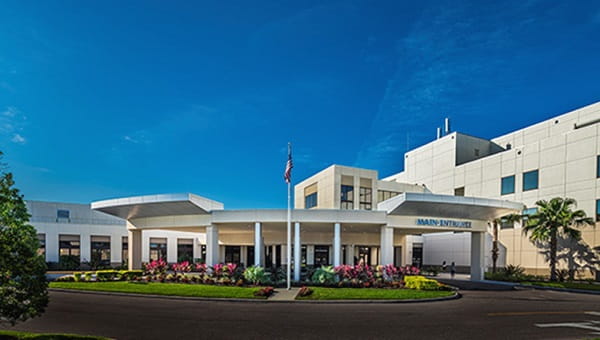
About Morton Plant North Bay Hospital

Since first opening in 1965, Morton Plant North Bay Hospital has been a vital part of West Pasco County. This 222-bed facility provides 24/7 emergency services and a wide range of inpatient and outpatient care. More than 30 specialties are represented, including cardiology, orthopedic and behavioral health. Morton Plant North Bay Hospital has been continuously expanded and upgraded to ensure that the community's residents have access to state-of-the-art health care.

About New Port Richey

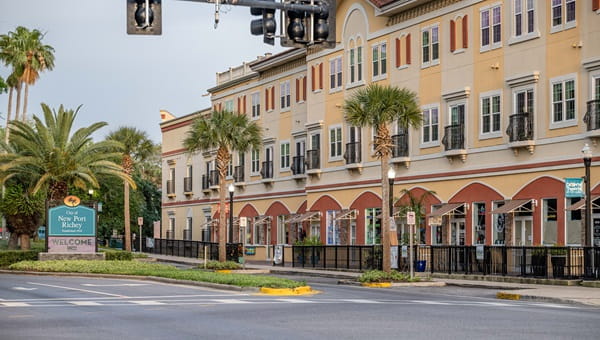
Located 35 miles northwest of Tampa, New Port Richey sits along the Cotee River and is near the Gulf of Mexico, offering residents water views, nature and a vibrant downtown experience. Downtown New Port Richey features walkable streets, restaurants, breweries, coffee shops and live music, and Sims Park hosts festivals, concerts, movie nights and community events. The nearby state parks and award-winning beaches offer plenty of places to go paddleboarding and kayaking. The cost of living is lower than Florida and the national average, so New Port Richey is an easy place to live well on a resident’s salary.

Main Street of Downtown New Port Richey, Florida

Curriculum

Our Transitional Year program is designed to be flexible, ensuring that residents receive a rigorous, well-organized didactic experience while still having the opportunity to explore and prepare for their chosen specialty. Core rotations include internal medicine wards, ambulatory medicine, intensive care, emergency medicine and surgery, providing a strong clinical foundation. In addition, residents have multiple elective blocks that can be tailored to their goals.

Rotation Number of Blocks

Internal Medicine Wards

4

Ambulatory Medicine

2

Medical ICU

1

Emergency Medicine

1

Surgery

1

Electives

4
Rotation Number of Blocks

Internal Medicine Wards

4

Ambulatory Medicine

2

Medical ICU

1

Emergency Medicine

1

Surgery

1

Electives

4

Didactic Curriculum and Electives

In addition to their core rotations, residents have electives and didactic curriculum to give them the opportunity to explore different specialties, build procedural skills and shape their future clinical path.

  • Available Electives
    • Anesthesia
    • Dermatology
    • Ophthalmology
    • Pathology
    • Neurology
    • Nephrology
    • Sports Medicine
    • Pain Management
  • Noon Report

    Noon Report is held daily, except on Thursdays, and serves as the anchor of our case-based teaching. Sessions focus on building clinical reasoning skills through real patient cases presented by residents, with active faculty discussion. Transitional year residents learn to approach undifferentiated problems, develop prioritized differentials and make sound management decisions in a supportive, interactive environment. At the end of each academic block, Noon Report is supplemented with special sessions such as Journal Club, Morbidity and Mortality, Grand Rounds and “Doctor’s Dilemma” (ACP-style Jeopardy).

  • Academic Half Day

    Academic Half Day (AHD) is a protected Thursday afternoon learning block shared with our sponsoring internal medicine residency. Instead of fragmented noon conferences, residents participate in a dedicated 3–4-hour session each week. Pre-reading and curated resources are provided in advance so that in-person time can be spent on active learning—case discussions, problem-solving, simulation and small-group work. The curriculum is designed to support a broad range of future specialties while ensuring a solid foundation in core medicine.
    Academic Half Day topics include:

    • Foundational internal medicine topics across organ systems
    • Emergency and critical care principles
    • Ambulatory medicine and chronic disease management
    • Simulation-based training and procedural skills
    • Palliative medicine and goals-of-care communication
    • Behavioral health, substance use and psychiatric emergencies
    • Professionalism, ethics and interprofessional communication
    • Wellness (physical, mental and financial well-being)
    • Diversity, inclusion and belonging
    • Quality improvement and patient safety
    • Utilization management and health systems science
    • Individualized education and elective opportunities


Program Faculty 

Lourdes M. Pelaez-Echevarria, DO, FACOS

Dr. Lourdes M. Pelaez-Echevarria is the inaugural Transitional Year Program Director at Morton Plant North Bay Hospital and a board-certified general surgeon with more than 20 years of clinical experience. She’s a hands-on educator and mentor who believes transitional year residents should feel supported, challenged and genuinely known as individuals. Under Dr. Pelaez-Echevarria’s leadership, the program emphasizes real-world readiness, professionalism and the development of strong clinical judgment that will serve residents well in any specialty.

Dr. Pelaez-Echevarria completed her medical degree at Nova Southeastern University and advanced training in general, vascular and minimally invasive surgery. She specializes in robotic, breast, colon and rectal and minimally invasive bariatric surgery. Fluent in English and Spanish, Dr. Pelaez-Echevarria is known for her patient-centered philosophy: Every patient is unique, and excellent surgery requires both technical skill and empathy. She’s a Fellow of the American College of Osteopathic Surgeons, actively involved in hospital leadership and highly regarded by patients and colleagues alike for her dedication, integrity and approachable teaching style.


Program Manager

Kristy Bingaman

Program Manager