Cuts, scrapes and kitchen mishaps are part of life. Whether you nicked yourself while chopping vegetables or had a DIY project go sideways, most of us have wondered at some point: Do I need stitches?
"It's not always easy to know whether a wound needs medical attention or can be safely treated at home," said Dr. Claire Cascio, medical director, BayCare Urgent Care. "Many of us grew up hearing different tips and tricks for treating injuries. While some still hold true, others may not be the best approach based on what we know today. Understanding the basics can support proper healing and help you decide when it's time to seek care."
Here are five common wound care myths — and the facts behind them.
Myth #1: Every cut needs stitches
Many minor cuts can be treated at home with proper cleaning and protection. However, it's a good idea to seek medical attention if the wound is deep, won't stop bleeding, has jagged edges that won't stay together or exposes tissue beneath the skin.
You should also seek care if you're taking blood thinners and have trouble stopping the bleeding, if the injury involves an animal bite, or if the cut is on your face and you're concerned about scarring.
"Here in Florida, we also see a lot of marine-related injuries," said Dr. Cascio. "Punctures from shells or barnacles, as well as stingray stings, should be evaluated promptly."
Even if a bite doesn't require stitches, a provider may recommend antibiotics or vaccinations to help lower the risk of infection.
"Not every cut needs stitches, but it's important to know when a wound should be evaluated," said Dr. Cascio. "A provider can help determine the best treatment option, whether that's stitches, medical glue or another approach."
Myth #2: Pour peroxide on it and you're good to go
If you grew up watching a cut bubble after a splash of hydrogen peroxide, you probably assumed it was working its magic. While peroxide can kill some bacteria, it can also damage healthy tissue that's trying to heal.
"Many people associate the bubbling with healing, but gentle cleaning with soap and water is the better choice," said Dr. Cascio. "Sometimes the simplest approach is the best one."
Myth #3: Wounds heal faster when you let them air out
Many of us were taught to leave a wound uncovered so it could "breathe."
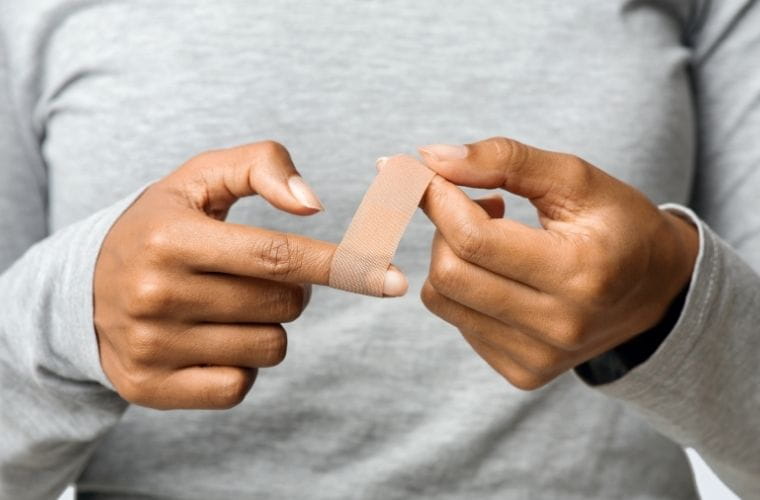
In reality, wounds often heal better when they're kept clean, protected and slightly moist. A bandage can help shield the area from dirt and bacteria while reducing irritation from clothing or daily activities. Keeping the wound covered also helps maintain a temperature that supports healing.
Myth #4: If it hurts, it's infected
Some soreness is normal as your body heals.
Signs of infection typically involve more than mild discomfort. Watch for increasing redness, swelling, warmth, drainage or pain that's getting worse instead of better. Fever can also be a warning sign. If you notice these symptoms, it's time to visit a health care provider.
Myth #5: If the bleeding stops, you're in the clear
"Stopping the bleeding is important, but it doesn't always tell the whole story," said Dr. Cascio.
Some injuries may still require medical attention even after the bleeding has stopped. Deep cuts, puncture wounds and animal bites may need additional treatment to help prevent complications. When in doubt, a provider can assess the wound and recommend the most appropriate care.
In some cases, a provider may recommend wound adhesive, or medical glue, instead of stitches.
The location of the injury matters, too. Even a relatively small cut on the face may benefit from prompt medical attention to help support the best possible cosmetic outcome.
Need care? Here's where to start
For most minor injuries, an urgent care center can provide treatment, including wound cleaning, stitches and follow-up care. However, head to the emergency room if bleeding won't stop, you suspect damage to a tendon or bone, the injury involves the eye, or the wound is the result of a serious accident.
"If you're unsure whether a wound needs medical attention, it's always a good idea to have it checked," said Dr. Cascio.
If you're dealing with a cut, scrape or other minor injury and aren't sure whether it needs medical attention, BayCare Urgent Care can help. With locations throughout West Central Florida, BayCare providers can assess wounds, provide treatment and help you get back to feeling your best. Find a location near you: BayCare Urgent Care