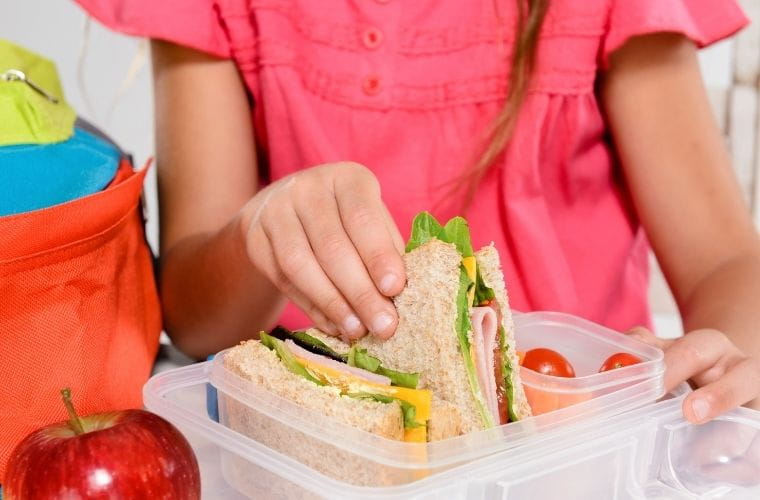
As families prepare for a new school year, many parents face the same daily challenge: packing a lunch that's both nutritious and something their child will actually eat. Social media and marketing messages often promote specific foods, drinks and snacks as "healthy," leaving parents wondering what really belongs in a lunchbox. The good news? Creating a balanced school lunch doesn't have to be complicated.
According to BayCare dietitians, a balanced meal includes all three macronutrients: carbohydrates, protein and fat. When this combination is present, a meal provides sustained energy, helping kids stay satisfied and focused throughout the day. Here are some common lunchbox myths, and the facts behind them.
Myth No. 1: A healthy lunch has to be elaborate
Parents often feel pressure to create picture-perfect lunches filled with carefully arranged fruits, vegetables and specialty foods. In reality, simple meals can provide the nutrition children need. A balanced lunch generally includes a source of protein and fat (eggs, meat, nuts, yogurt, cheese), complex carbohydrates (fruits, vegetables, whole grains) and a beverage.
"Many parents think healthy lunches require lots of preparation, but some of the best options are also the simplest," said Katherine McFarland, RD, LDN, CSG, a BayCare outpatient registered dietitian. "A balanced lunch doesn't have to be complicated. Focus on a mix of nutritious foods, diverse in color and texture, that help children stay energized throughout the school day."
Balanced lunch components include:
- Turkey and cheese roll-ups with avocado
- Hard-boiled egg, graham crackers and mixed nuts
- Hummus with pita and veggies (baby carrots, cherry tomatoes, mini cucumbers)
- Cottage cheese and mandarin oranges
- Greek yogurt with berries and granola
- Leftovers from a healthy family dinner
- Peanut butter and banana sandwich on whole wheat bread
- Sliced cheese and homemade trail mix
Myth No. 2: Kids get enough protein at lunch without trying
While simple carbohydrates like chips, white crackers and gummy fruit snacks may be convenient, they typically don't provide the staying power students need to make it through afternoon classes, sports practices and after-school activities. Complex carbs include fiber, which is digested more slowly by the body, providing a steady source of fuel to the brain. The ideal combination at each meal includes complex carbs, protein and fat.
Protein-rich foods, which are also digested more slowly and often contain fat, support growth and development while reducing the likelihood of midday energy crashes. Healthy protein-rich options include:
- Low-fat turkey, chicken and beef
- Cheese sticks
- Greek yogurt
- Hard-boiled eggs
- Beans and bean-based salads
- Nut or seed butters (depending on school policies)
- Cottage cheese
- Edamame (soybeans)
Pairing protein with fiber-rich foods like fruits, vegetables or whole grains can help children stay satisfied longer, which supports attention and focus.
"When lunch is heavy in simple carbohydrates, children may feel hungry again shortly after eating, which can make it more difficult to concentrate in class," added McFarland.
Myth No. 3: Juice boxes and sports drinks are healthy everyday choices
Sugar-sweetened beverages are the primary source of added sugar in children's diets. The Dietary Guidelines for Americans recommend avoiding added sugars for children younger than 2 and limiting added sugars for older children.
While an occasional sweetened beverage can fit into a balanced diet, experts generally recommend water as the primary drink for school-aged children. Milk can also provide important nutrients, including protein, calcium and vitamin D. Hydration is especially important during Florida's hot and humid weather, particularly for children participating in sports or outdoor activities.
Signs a child may not be getting enough fluids include:
- Headaches
- Fatigue
- Difficulty concentrating
- Dark-colored urine
- Feeling thirsty throughout the day
Parents can encourage hydration by packing refillable water bottles and helping children develop a habit of drinking water consistently throughout the day. Electrolyte-containing powders or drinks are not necessary unless you are losing a significant amount of fluids (sweat) through intense exercise/training, often exceeding an hour.
"Sometimes children don't recognize they're becoming dehydrated until they develop a headache, feel tired or have trouble concentrating," said McFarland. "Making water the default beverage at meals and in lunchboxes can help children stay hydrated and feel their best throughout the school day." High-water-content fruits like melons, peaches, oranges, pineapple and berries are also great additions. They provide both hydration and fiber to help kids stay energized throughout the day.
Myth No. 4: Foods labeled "kid-friendly" are always nutritious
Front-of-package marketing can be misleading. Foods marketed specifically to children often contain added sugars, sodium or artificial ingredients. Instead of relying on packaging claims, take a closer look at the Nutrition Facts label and ingredient list.
Many packaged snacks, including granola bars, fruit snacks, flavored yogurts and sandwich crackers, can vary widely in nutritional quality. A good rule of thumb: The first few ingredients make up most of the product, so pay attention to what's listed at the top.
- Less than 5 grams of added sugar per serving
- 2 to 3 grams of fiber per serving
Whole foods like fresh fruit, vegetables, yogurt, cheese, popcorn and nuts or seeds often provide more nutritional value and longer-lasting energy than highly processed snack foods. For example, choose fresh fruit instead of fruit gummies, vegetables instead of veggie straws or chips, and yogurt instead of yogurt-covered pretzels whenever possible.
Myth No. 5: If children refuse healthy foods, stop offering them
Parents sometimes become discouraged when children reject fruits, vegetables or other nutritious options. Nutrition experts say repeated exposure matters. A child may need to see or try a food multiple times before accepting it.
"It's completely normal for children to reject a new food the first few times they see it," said McFarland. "Parents shouldn't view that as a failure. Offering healthy foods consistently and without pressure can help children become more comfortable trying new things over time."
One strategy is to involve children in lunch planning, grocery shopping and meal prep. Giving them a few healthy options to choose from can increase the likelihood they'll eat what is packed.
For example, a parent might ask:
- Would you like strawberries or grapes this week?
- Should we pack carrots or cucumbers?
- Would you prefer turkey and cheese roll-ups or chicken salad?
Allowing children to participate in decisions helps build healthy eating habits and independence. As the new school year begins, remember that consistency matters more than perfection. Small, healthy choices each day can add up to lasting benefits for children's health and well-being.
"Healthy eating habits are built one meal at a time," said McFarland. "Parents don't have to create the "perfect" lunch every day. A variety of choices at every meal, combining protein and fiber-containing carbohydrates, makes a meaningful difference in a child's health, growth and ability to learn." Lastly, don’t forget to start the day with a balanced breakfast.
For more expert health and wellness resources for children and families or to request a physician referral: BayCare Kids